B2B Website Design Best Practices for 2026: What Still Works and What’s Changed

B2B websites have never had to work harder than they do today. In 2026, your website is your primary sales tool, your first impression, and often the first “conversation” a potential client has with your company.
At the same time, buyer behavior has changed. Decision-makers are doing more research on their own, comparing more options, and expecting clearer answers faster. AI-powered search is shaping how people discover companies. And expectations around performance, trust, and usability are higher than ever.
So what actually matters in B2B website design in 2026? Let’s break down the best practices that continue to drive results—and the newer ones you can’t afford to ignore.
Clarity Beats Cleverness Every Time
Your website has one job above all else: help the right people quickly understand what you do, who you do it for, and why you’re different.
Too many B2B sites still lead with vague headlines, buzzwords, or internal jargon. In 2026, that’s a fast way to lose attention. Visitors want clarity immediately.
Strong B2B websites:
- State the value proposition clearly and early
- Use plain language, not buzzwords
- Make it obvious who the solution is for
- Explain problems before pitching solutions
If a prospect has to think too hard to understand what you do, they’ll move on.
Your Website Must Support Long, Complex Buying Cycles
B2B purchases rarely happen on impulse. Buyers often:
- Compare multiple vendors
- Involve multiple stakeholders
- Research over weeks or months
- Revisit your site several times before contacting you
Your website needs to support that journey.
That means:
- Clear service pages
- Educational content and resources
- Case studies and proof points
- Pages that speak to different roles (executives, technical buyers, finance, etc.)
In 2026, the best B2B sites act like a 24/7 sales assistant—answering questions, building confidence, and reducing friction at every step.
Speed and Performance Still Matter More Than Ever
No matter how good your messaging is, a slow website will undercut it.
Fast-loading, stable websites:
- Convert better
- Rank better
- Build more trust
- Keep users engaged longer
Performance isn’t just about load time anymore. It also includes:
- Mobile experience
- Visual stability
- Server reliability
- Security and uptime
This is where high-quality hosting and clean development still make a massive difference.
Design Must Build Trust, Not Just Look Good
In B2B, trust is everything.
Your design should signal:
- Professionalism
- Stability
- Credibility
- Competence
That doesn’t mean your site has to look boring—but it does mean it should feel intentional, consistent, and well-crafted.
Trust-building elements include:
- Clear navigation
- Consistent branding
- Strong typography and layout
- Real photos, real people, real stories
- Testimonials, client logos, and proof points
In 2026, buyers are extremely good at spotting “fluff.” Authenticity and substance are paramount
Mobile Experience Is Non-Negotiable
Even in B2B, mobile traffic continues to grow. Executives and decision-makers often research vendors:
- Between meetings
- While traveling
- On their phones or tablets
A B2B website that only works well on desktop is leaving opportunities on the table.
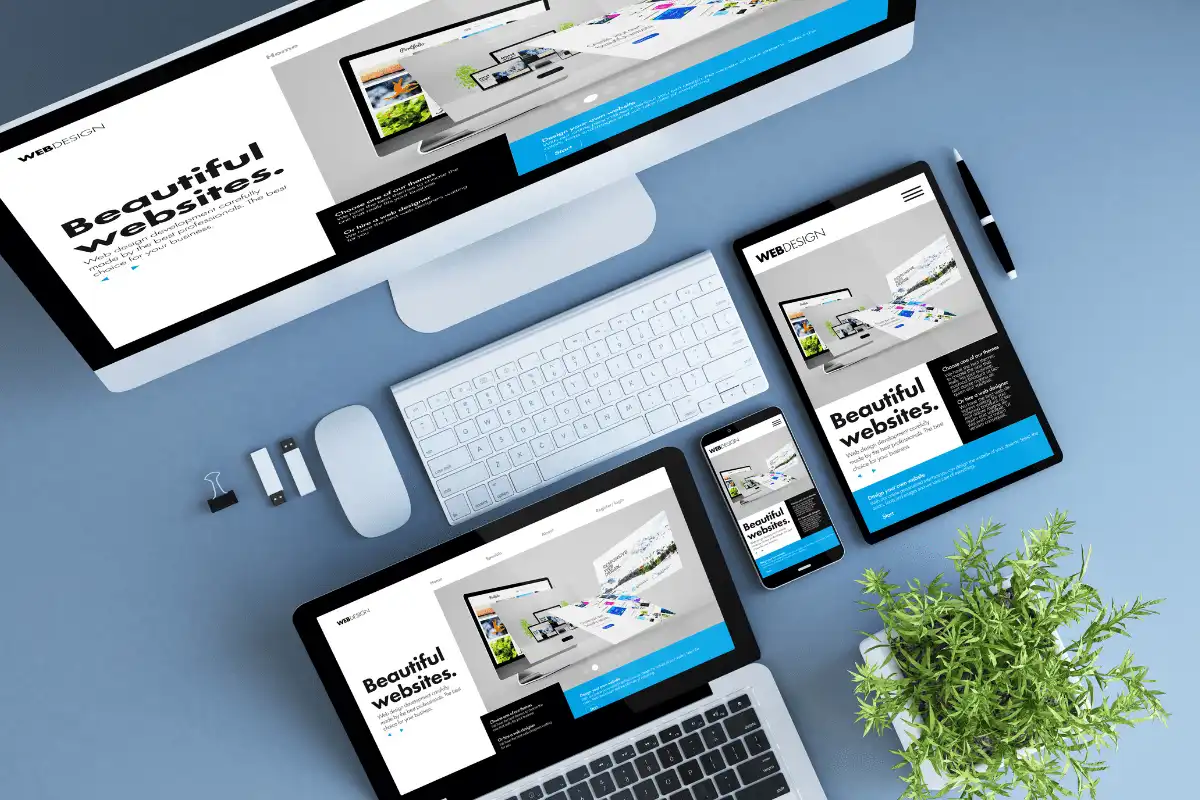
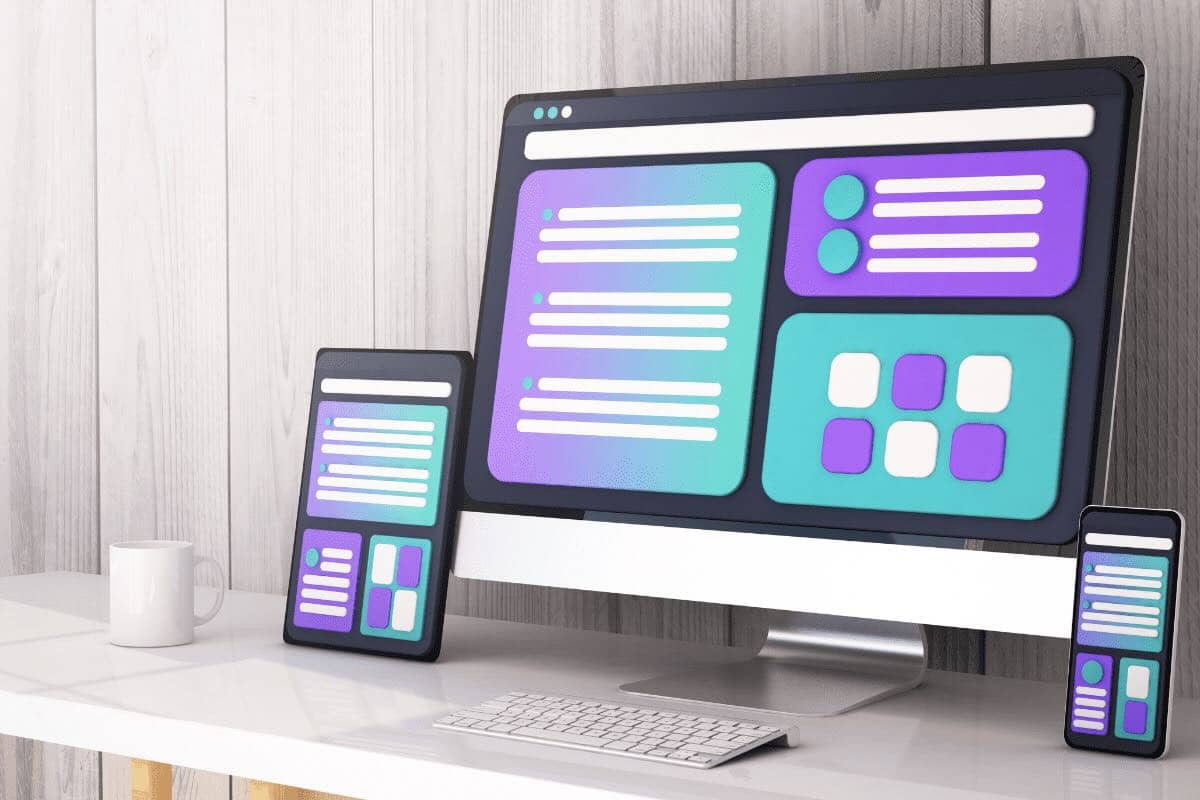
Responsive design is a baseline requirement.
AI Search Makes Structure and Context More Important
With Google and other platforms using AI to summarize and recommend content, your website’s structure matters more than ever.
Well-structured sites:
- Use clear headings and page hierarchy
- Explain topics thoroughly and logically
- Make relationships between topics obvious
- Use proper metadata, schema, and internal linking
If your content is vague, scattered, or poorly organized, AI systems may misunderstand or misrepresent it—or ignore it entirely.
This is one of the biggest shifts in 2026: your website must communicate clearly not just to humans but also to machines.
Conversion Paths Should Be Obvious and Low Pressure
Not every visitor is ready to “Contact Sales.”
Strong B2B websites offer multiple next steps:
- Request a consultation
- Download a guide
- View a case study
- Subscribe to insights
- Book a call
The goal is to meet prospects where they are in their decision-making process and provide a comfortable way for them to move forward.
Every important page should answer one question: “What should this visitor do next?”
Your Website Is Never “Done”
This year, the best-performing B2B websites are treated like living systems:
- They’re monitored
- Improved
- Updated
- Refined based on data and behavior
This means:
- Ongoing content improvements
- Performance optimization
- UX refinements
- Security and platform updates
A great website isn’t a one-time project. It’s an evolving business asset.
The Ultimate Reality
B2B website design in 2026 is about clarity, performance, trust, and usability—combined with a strong technical foundation and smart strategy.
Your website should:
- Explain what you do clearly
- Support complex buying journeys
- Load fast and work everywhere
- Build credibility and confidence
- Help both humans and AI understand your value
Ready to build a B2B website that actually works?
At Woland Web, we design and develop high-performing B2B websites for companies in Charlotte, NC, and across the country. From strategy and messaging to design, development, hosting, and support, we build sites that don’t just look good—they drive real business results.
Let’s talk about creating a website that works as hard as your sales team.